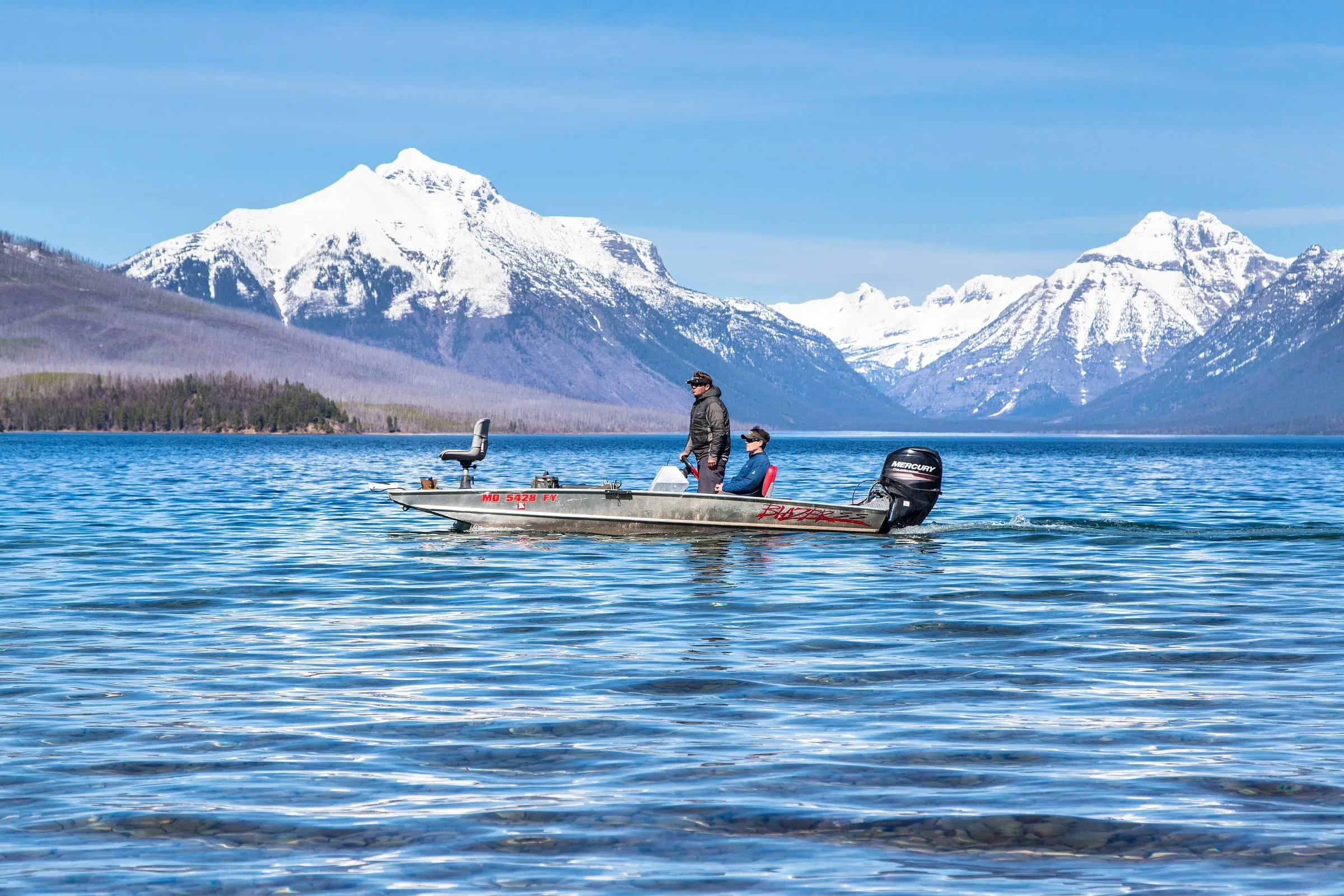
We're open from March 1 to October 15, and we spend the whole season answering one question: "When should we come?" The honest answer depends on what you want most: the high country, a warm swim, or a quiet trail. Here's how the months go, from our side of the lake.
When is the best time to visit Glacier and Flathead Lake? The months at a glance
Glacier is open all year, but most of the park's services run from late May through September (NPS). The high part of Going-to-the-Sun Road opens when the plows finish, usually late June or early July. The lake runs on its own clock: cold until July, warmest in August.
| Month | In Glacier | On Flathead Lake | Crowds |
|---|---|---|---|
| March–April | Lower Sun Road and Lake McDonald only; snow everywhere else; few services | Cold, quiet, low water | Very few |
| May | Plowing; the Sun Road often open to walkers and cyclists past the gates; services start late in the month | Snowmelt; the lake fills; too cold for most swimmers | Light, busy on Memorial Day weekend |
| June | Most roads open; Logan Pass often not until late June or July; high trails snowy; rainy spells | Full by mid-June; about 56°F at the surface | Building |
| July | Usually the whole Sun Road; wildflowers; hot days. In 2026, Logan Pass had 3-hour parking and shuttle tickets from July 1 | Swimmable; cherry season starts | Busiest |
| August | Everything open; hottest; the likeliest month for smoke | Warmest, about 68°F at the surface | Busiest |
| September | Sun Road still open; color from mid-month; snow possible up high; services wind down | Still swimmable early; some docks become unusable as the water drops | Thinner after Labor Day |
| Oct 1–15 | Larch turning gold; the Sun Road usually open to the third Monday of October, weather permitting; most visitor centers closed | Cold water, calm and quiet | Few |
Park facts from NPS operating hours and seasons and Going-to-the-Sun Road; lake temperatures from the Flathead Lake Biological Station (average surface temperatures, mid-month).
March and April: the quiet start
We open on March 1. The valley is waking up, and the park is mostly snow. The lower stretch of Going-to-the-Sun Road along Lake McDonald stays open through the winter, weather permitting, but almost everything above it is closed, and the park says most services nearby don't reopen until late May or early June (NPS). Plowing the park's roads takes months.
Come in March or April if you want empty roads and long walks by the lake, and you don't mind packing a lunch. Apgar and Lake McDonald are 46 mi · 1 hr 5 min from our door. Bears are waking up too, so carry bear spray on any walk in the park.
May: plows, bikes and snowmelt
May is when the plows climb toward Logan Pass. While they work, the park often opens the closed section of the Sun Road to hikers and cyclists only, usually from early May through late June or early July (NPS). Riding a bike up an empty Going-to-the-Sun Road is one of the best days in the park, and it's over once the road opens to cars. Check the park's road and hiker/biker status the morning you go: the gate moves day to day.
On the lake, May is snowmelt. The rivers run high, and the lake rises toward full pool, which the dam operators usually reach by mid-June. It's beautiful and too cold for most swimmers. Memorial Day weekend is the first busy weekend of our season (it's one of the three weekends with a 2-night minimum).
June: green, quieter, and the road may not be open
June is green and long-lit, and it's quieter than July. The catch is the high country. The park says the Sun Road is normally plowed to Logan Pass by late June, and that higher trails can be snow-covered until then. From 2010 to 2026, the road opened all the way across as early as June 13 (2023) and as late as July 13 (2011, 2020 and 2022); our opening-dates guide has every year. Rainy, cool days are common right through June (NPS weather).
So plan June around the parts that are open: Lake McDonald, Apgar, the Trail of the Cedars and Avalanche Lake when the road to Avalanche Creek is open, the North Fork, and the lake. If Logan Pass opens while you're here, take that as a bonus.
July: the whole park, and cherries
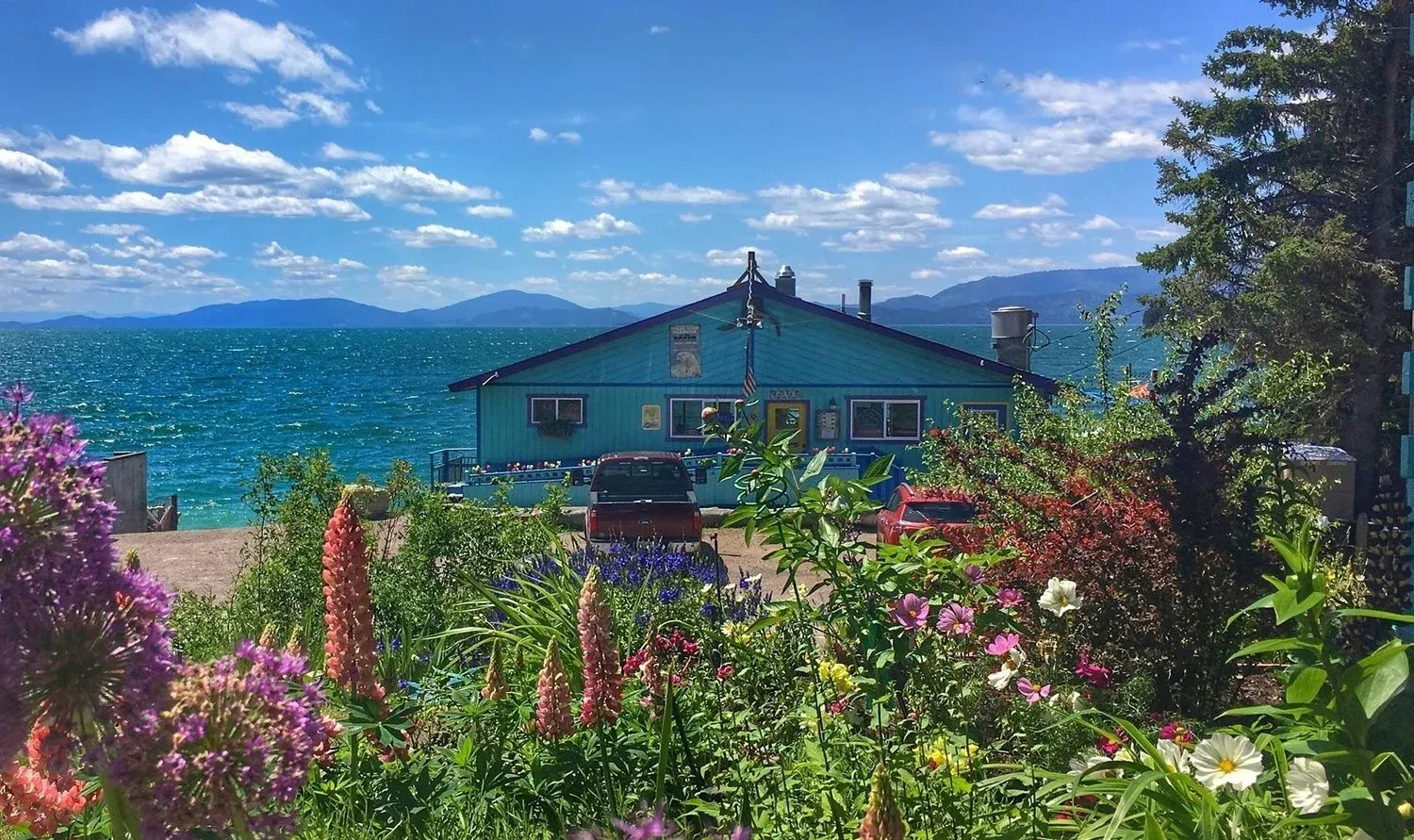
July is when everything comes together, and everyone knows it. The Sun Road is usually fully open by early July (NPS), the wildflowers are out, and the park is at its busiest. Hot days and cool nights are normal. In 2026, Logan Pass had 3-hour parking and a ticketed shuttle from July 1 to Labor Day. What 2027 brings isn't announced yet: see our guide to Glacier reservations in 2027, which we'll update as soon as the park does.
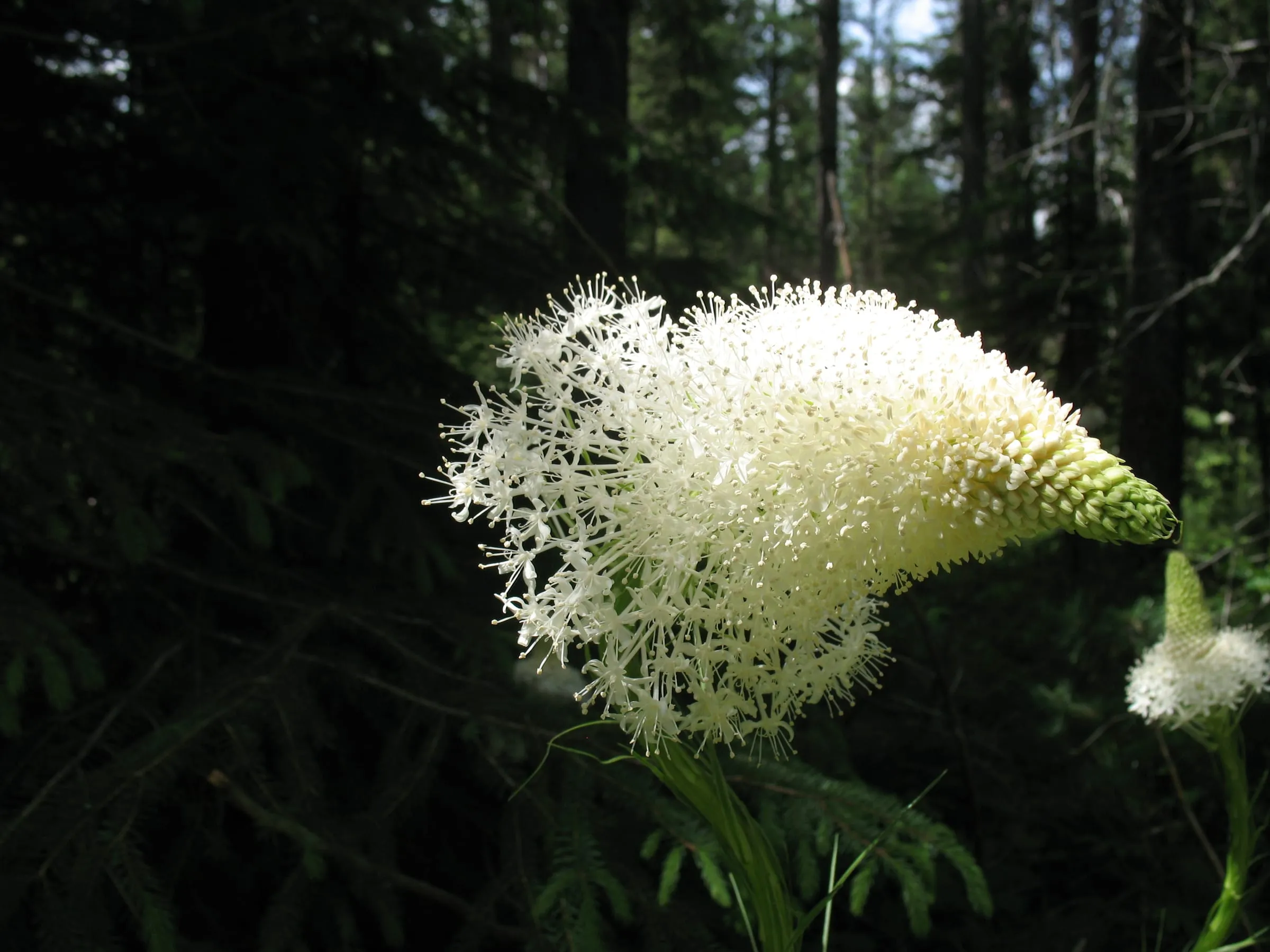
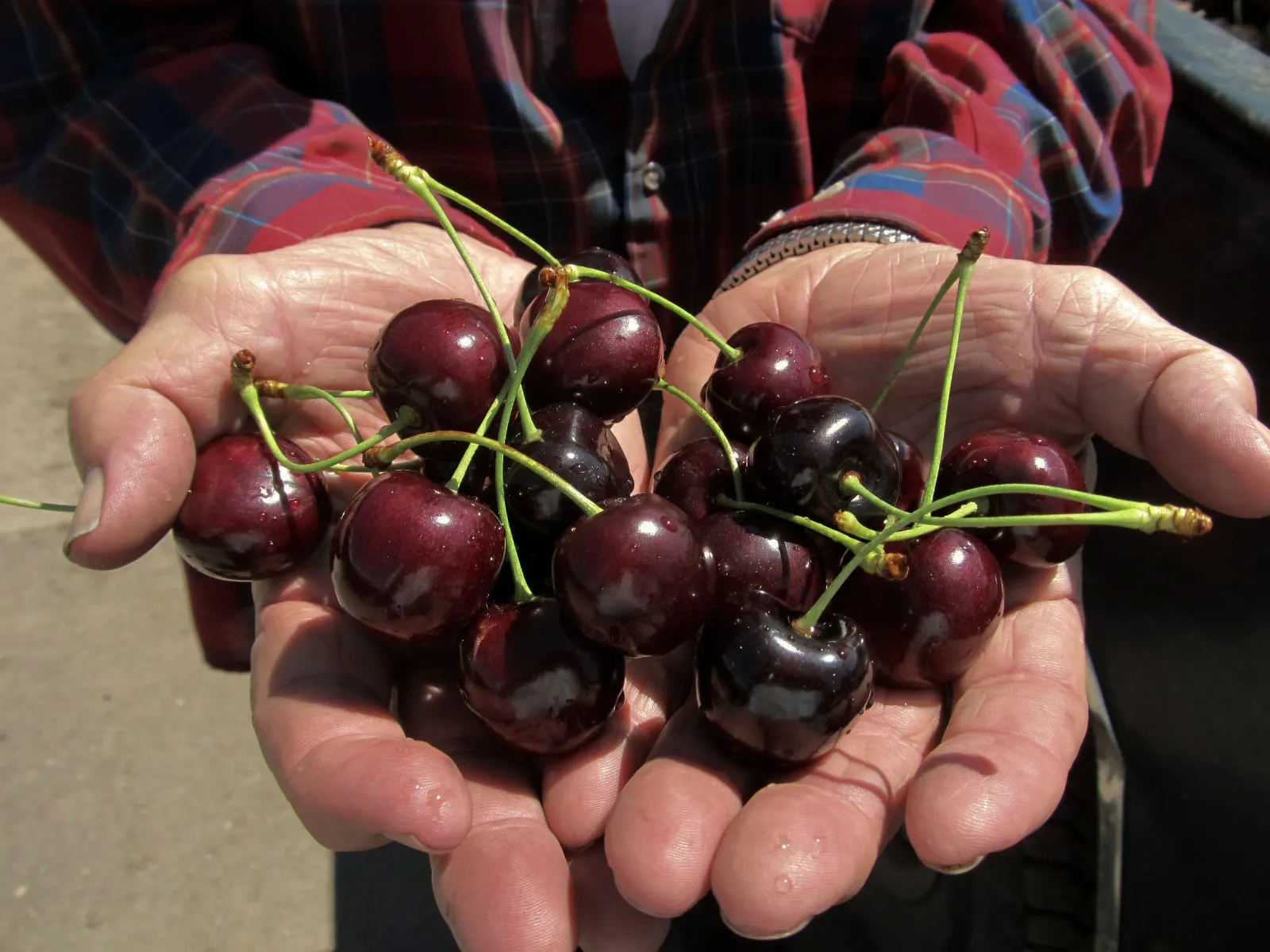
July is also cherry season on the east shore. The orchards between Bigfork and Polson grow the Flathead's famous dark sweet cherries, and the fruit stands along Highway 35, the road past our door, usually open from mid- to late July into August, depending on the year. The lake is finally warm enough for a real swim by now.
Do the Sun Road on a weekday, start early, and stop for cherries on the way home. The swim off the dock is the best part of a hot afternoon.
August: warmest lake, busiest park, maybe smoke
August is the warmest month on the lake: the Flathead Lake Biological Station's average surface temperature for mid-August is about 68°F, and on hot spells the surface has passed 80°F (FLBS). In the park, the valleys can top 90°F, while Logan Pass is usually 10 to 15 degrees cooler (NPS). For where to swim, see our Flathead Lake beaches guide.
August is also the month most likely to bring wildfire smoke. Some summers are clear; some are hazy for days or weeks. Have a plan B ready: here's what to do if there's smoke.
September: our favorite month
After Labor Day the families go home, and in 2026 the Logan Pass parking limit and shuttle ended on Labor Day too. The Sun Road stays open, and the park says the trees start turning by mid-September (NPS). Snow can fall at lower elevations as early as mid-September (NPS weather), so pack a warm layer. The trails are quieter, but September is still busy enough that you'll meet other hikers.
The lake stays swimmable into early September for most people, then cools quickly. Lake levels drop after Labor Day, and some docks, like the one at Wayfarers State Park, become unusable when the water is low (FWP). Services in and around the park start closing: the visitor centers close in late September and early October.
October 1 to 15: larch and a quiet lake
The first half of October is the end of our season (our last night is October 14). The park's last color change is the western larch turning yellow in mid-October, and the park suggests Highway 2, along the park's southern edge, as one of the best drives for it (NPS). The Sun Road usually stays fully open until the third Monday of October, weather permitting, and then the gates move down to Avalanche Creek or Lake McDonald Lodge.
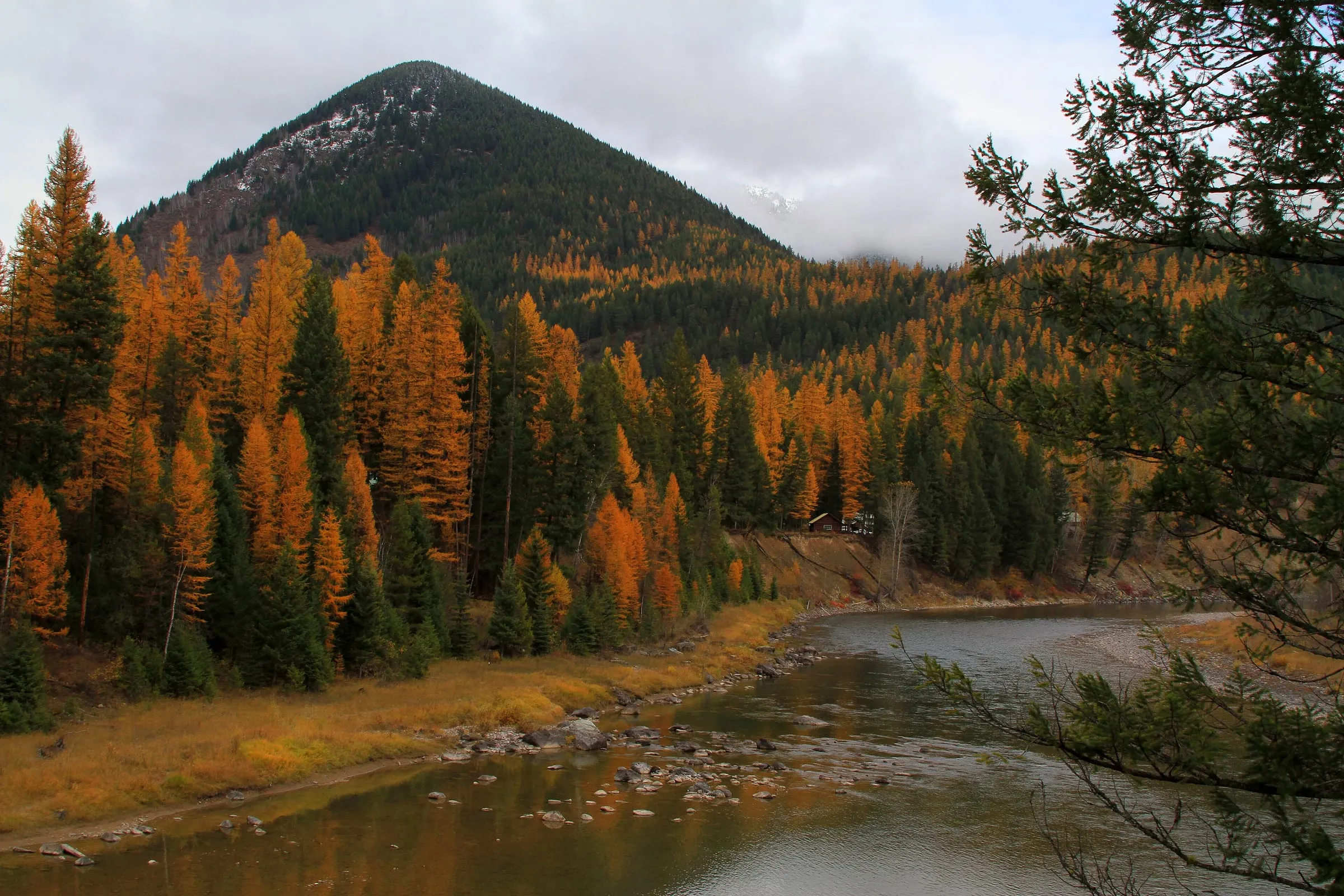
Expect cold nights, short days and most businesses closed or on reduced hours in the park. Lodging inside the park is closed by then, too. The lake is cold, calm and nearly empty, and a sauna after a cold walk is about right.
Which month suits your trip
- First trip, want to see it all: mid-July to Labor Day. Book early, start early.
- Fewer people, still the whole road: the weeks after Labor Day.
- Swimming is half the point: late July and August.
- Biking the empty Sun Road: May and June, while the plows work.
- Fall color: mid-September to mid-October.
- Traveling with a dog: any month; dogs can't go on park trails, so see where dogs can go.
Questions people also ask
What is the best month to visit Glacier National Park?
For most people, late July to mid-September. Going-to-the-Sun Road is usually fully open by early July, the high trails have melted out, and the lake is at its warmest in August. If you'd rather have fewer people, come in the two or three weeks after Labor Day.
Is June a good time to visit Glacier?
It can be, as long as you don't count on driving over Logan Pass. From 2010 to 2026 the road opened all the way across between June 13 and July 13 (see opening dates by year). Lake McDonald, Apgar and the lower Sun Road are open, and you can often walk or bike the closed section of the road. Bring rain gear: the park says rainy, cool days are common right through June.
When is fall color in Glacier?
Leaves start turning in mid-September, and the western larch go gold in mid-October, the last week of our season (NPS). The park says Highway 2, along its southern edge, is sometimes the best road for the larch.
When is Flathead Lake warm enough to swim?
From about July through early September for most people. The Flathead Lake Biological Station puts the average surface temperature at about 56°F in mid-June and 68°F in mid-August (FLBS). June swims are short and bracing.
Is Glacier open in winter?
Yes, the park is open all year, but most roads close under snow and most services shut from early October to late May (NPS). We're open March 1 to October 15, so this guide covers those months.
When are Flathead cherries in season?
Usually mid-July into August, depending on the year. The stands along Highway 35, the road past our door, sell them by the bag; a few orchards let you pick your own.
Keep planning
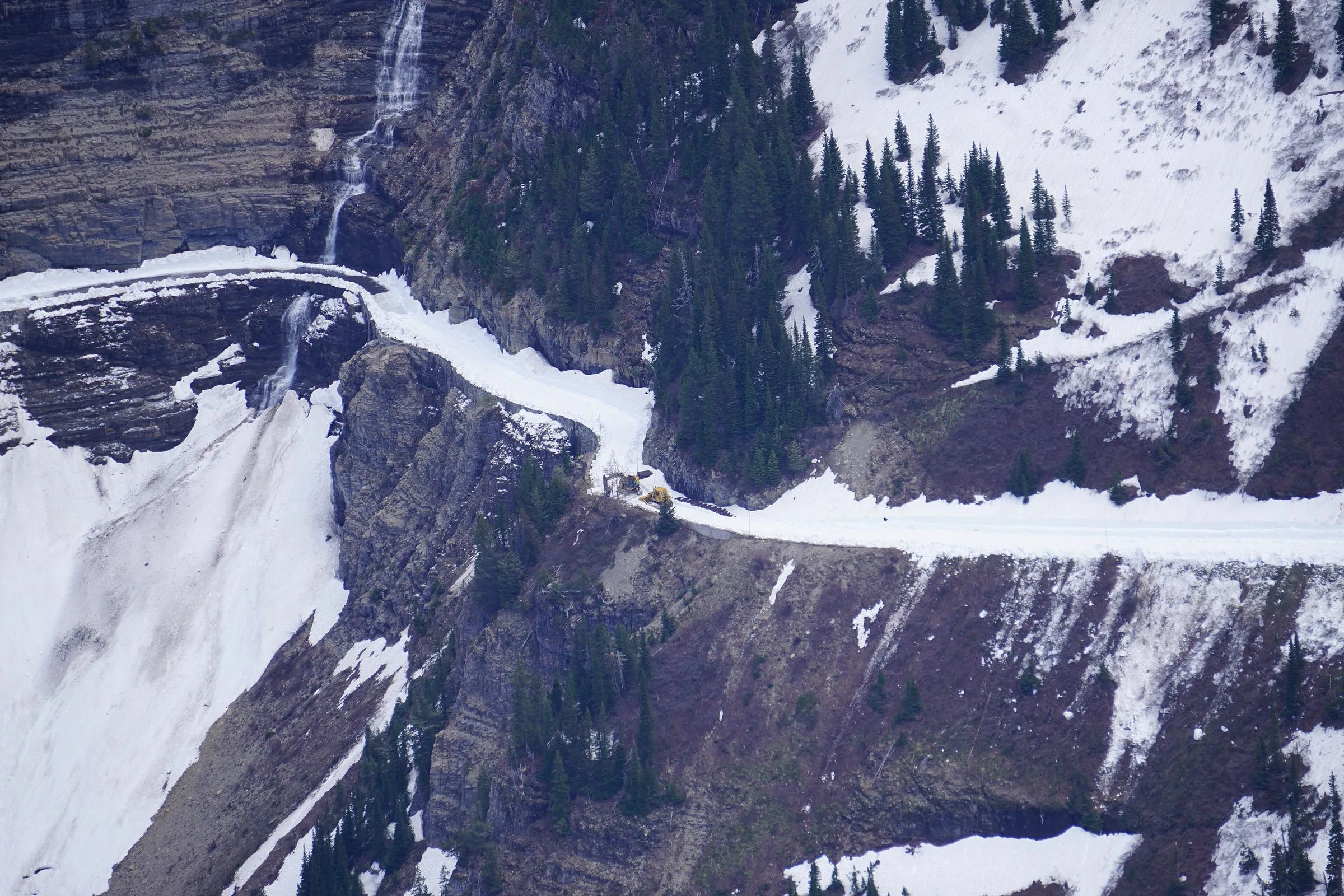 Resource When does Going-to-the-Sun Road open? Opening dates by year from the park's records, and what's open before the pass.
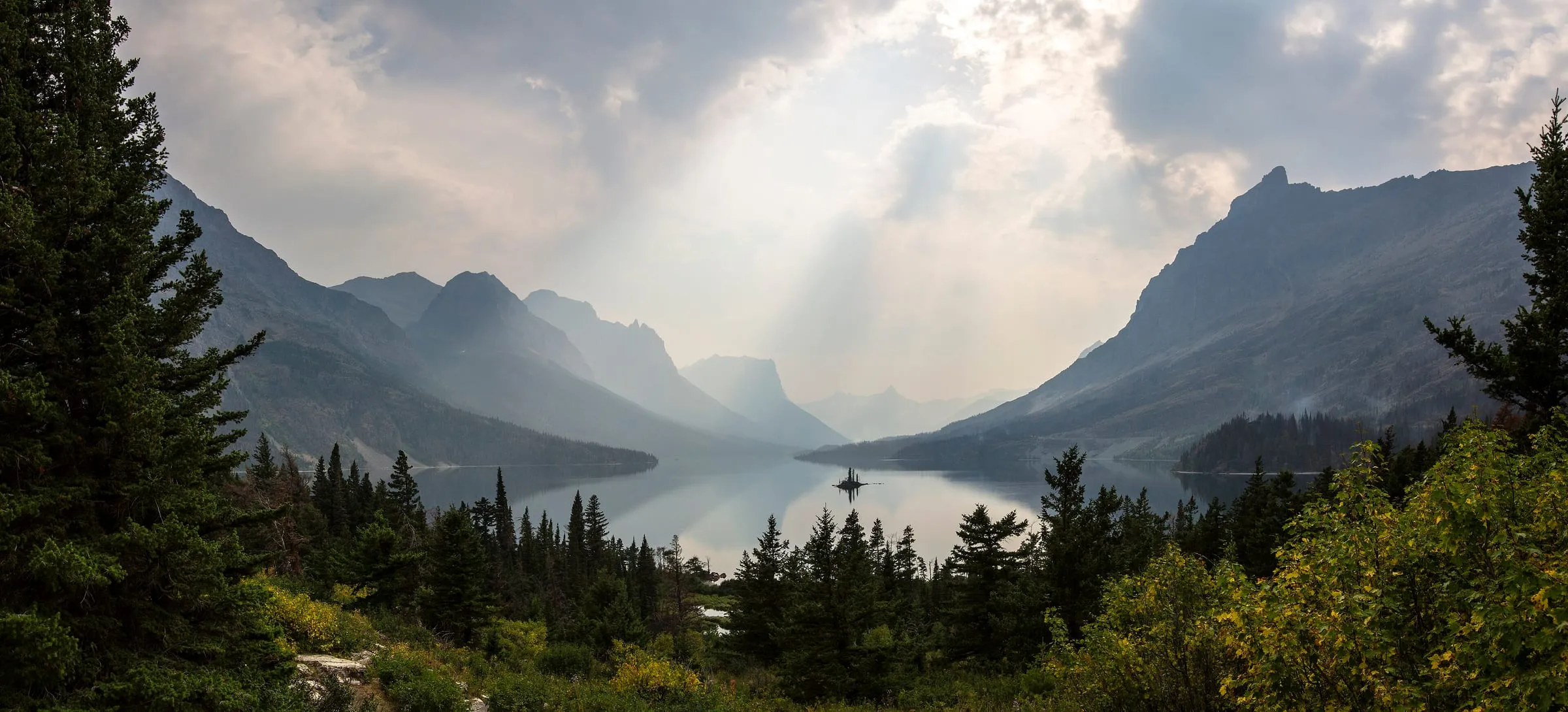 Q&A What do you do if there's wildfire smoke during your Glacier trip? Where to check the air, how often it happens, and what to do on a smoky day from the lake.
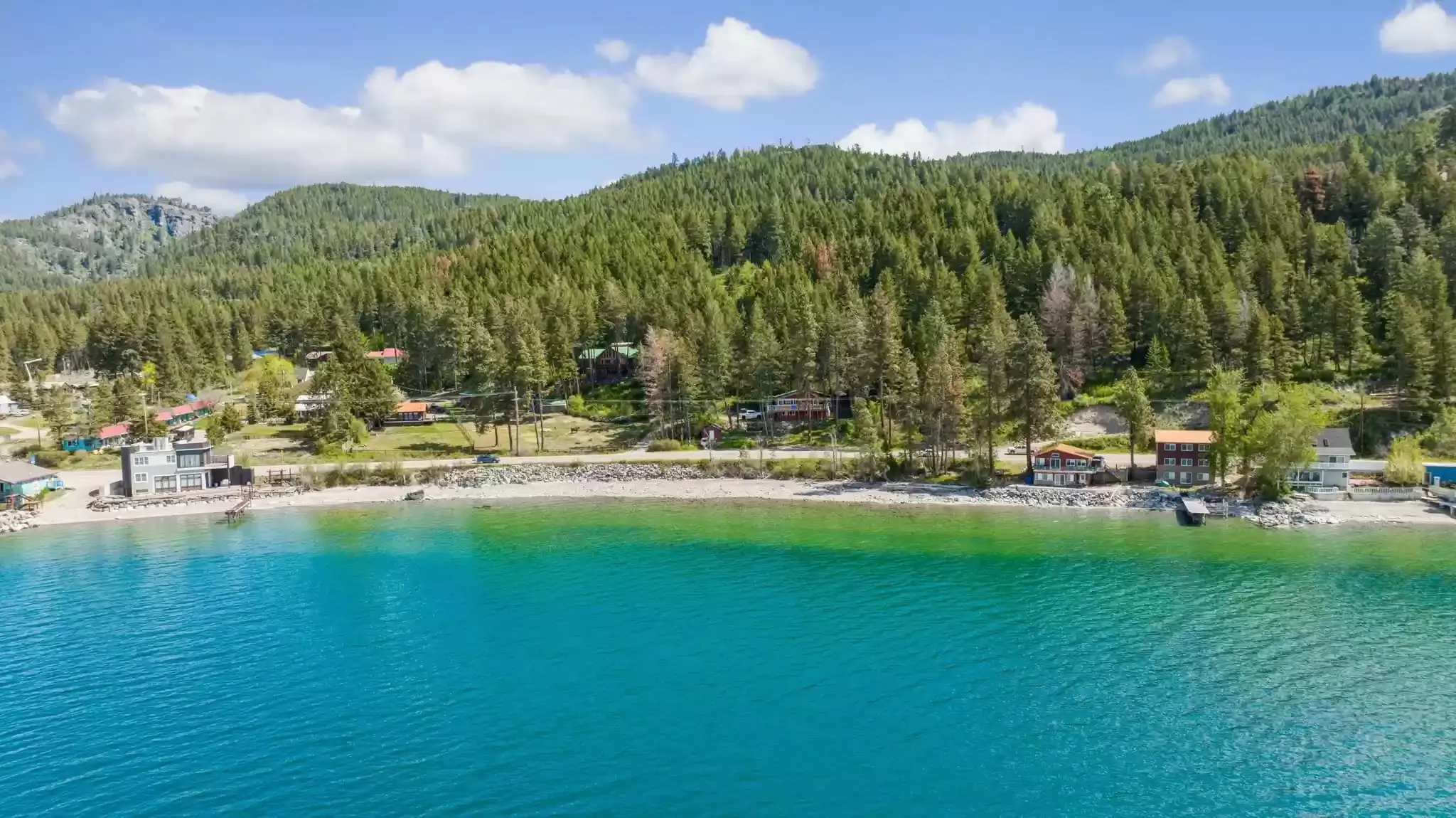 Place guide Where can you swim on Flathead Lake? Beaches, public access and water temperature The east-shore swims near us, what the state parks charge, and how cold the water really is.
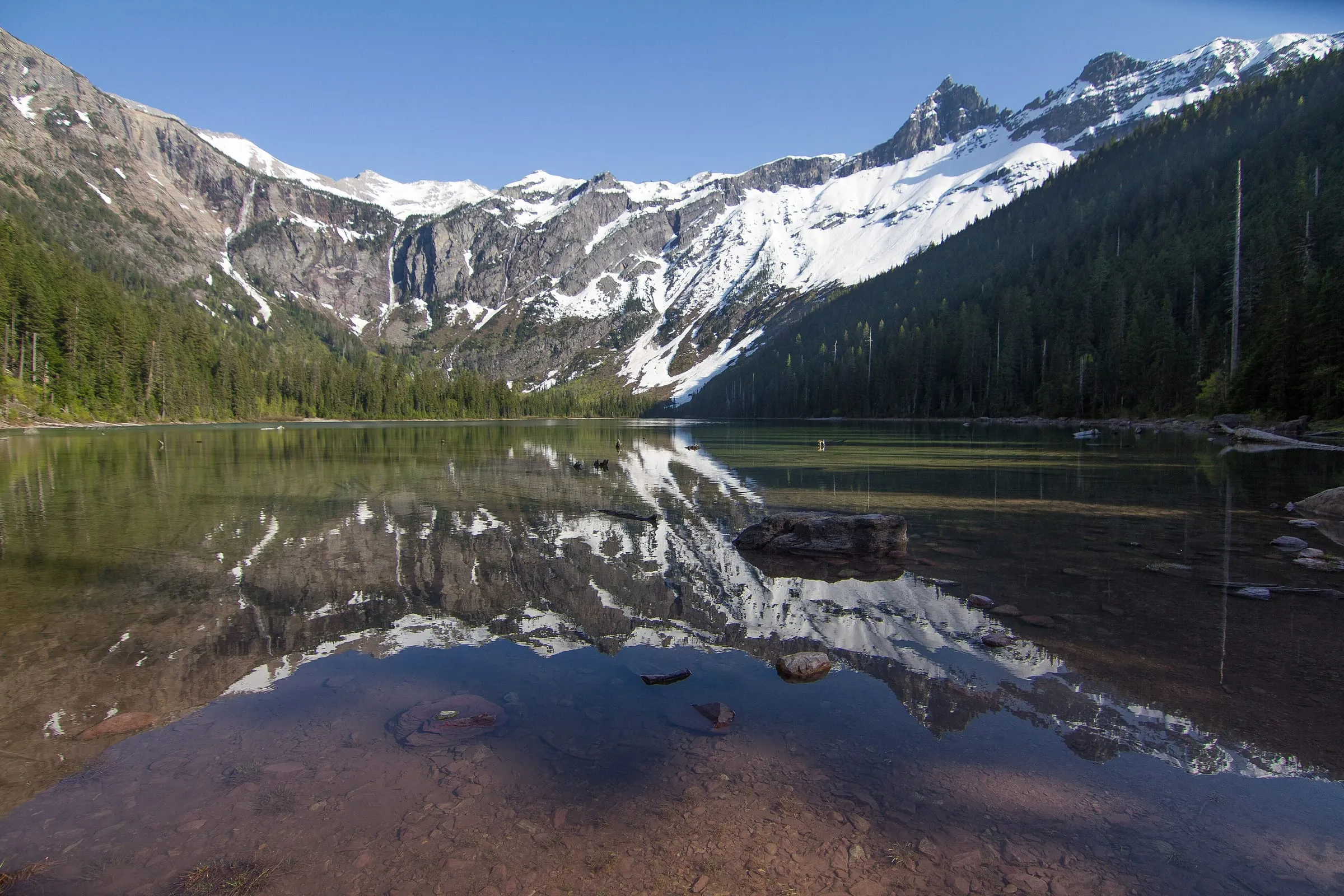 Itinerary What's a good 1-, 2- or 3-day Glacier itinerary if you're staying on Flathead Lake? Park mornings, lake evenings: day-by-day plans with leave times from our door.
Sources
- NPS: Operating hours and seasons (services, spring and fall roads, fall color)
- NPS: Going-to-the-Sun Road general information (no set opening date; third Monday of October)
- NPS: Logan Pass opening and closing dates by year
- NPS: Weather in Glacier
- NPS: Visiting Logan Pass in 2026 (3-hour parking, shuttle tickets)
- Flathead Lake Biological Station: Flathead Lake Facts (surface temperatures, lake level), reprinted by the Flathead Lakers, February 2021
- Montana FWP: Wayfarers unit of Flathead Lake State Park (dock and lake level)